


How big is the carbon bubble? Getting transition risk right for Australia


The energy transition poses real financial risks for fossil fuel companies, but new research suggests the carbon bubble may be smaller than many might expect. As COP31 draws to a close, understanding the scale of the risks matters for investment, economic policy and regional communities.
How big is the carbon bubble? Getting transition risk right for Australia
The energy transition poses real financial risks for fossil fuel companies, but new research suggests the carbon bubble may be smaller than many might expect. As COP31 draws to a close, understanding the scale of the risks matters for investment, economic policy and regional communities.
ByMona Mashhadi Rajabi and Martina Linnenluecke
20 November 2026
The global energy transition is already reshaping energy markets, investment decisions and international trade. For Australian policymakers, the challenge is to understand the financial risks facing existing fossil fuel investments while ensuring that emerging industries and regional economies can benefit from the transition.
Making those decisions requires a clear understanding of the scale and distribution of transition risks, rather than broad assumptions about the future of the fossil fuel industry.
But how much financial value is genuinely at risk as the world moves away from fossil fuels? And are concerns about a looming carbon bubble overstating the financial losses facing fossil fuel companies?
These questions are particularly important for Australia as COP31 concludes in Antalya, Türkiye, with Australia having led the negotiations. The outcomes of COP31 will help shape the next phase of global climate action.
As a major exporter of coal and liquefied natural gas (LNG), Australia has a significant stake in how the global energy system evolves. The transition is creating opportunities in renewable electricity, energy storage and low-emissions industries, while raising questions about the future value of existing fossil fuel investments.
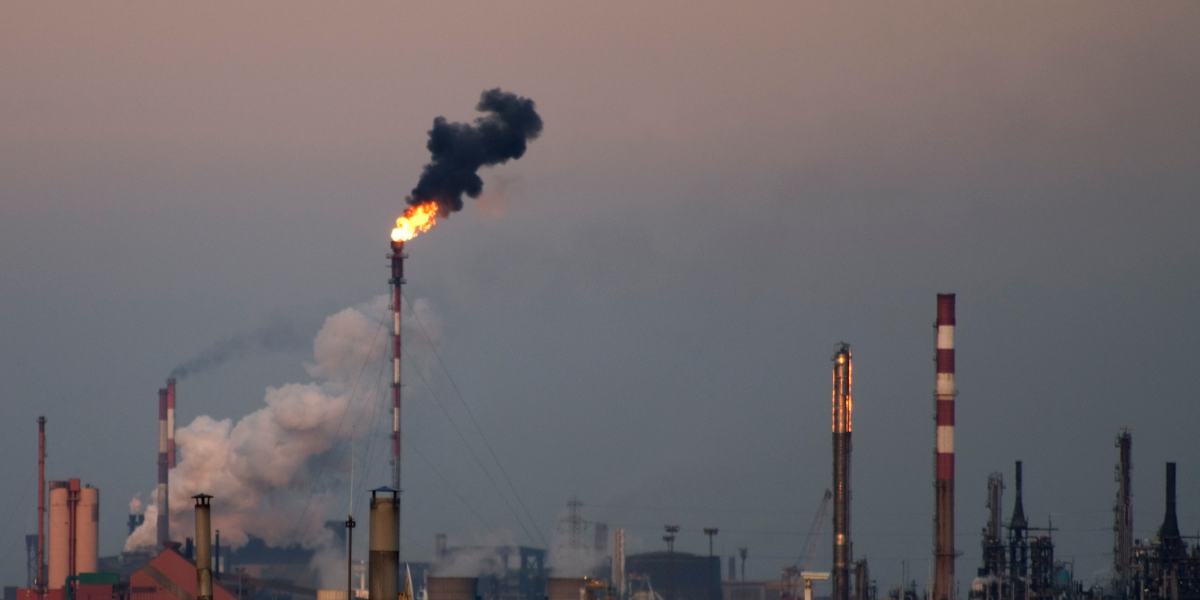
A key concern is the possibility of a carbon bubble. This refers to the risk that fossil fuel companies are overvalued because their assets may ultimately be worth less in a world moving towards Net Zero. If climate policies strengthen and demand for fossil fuels declines, some reserves and infrastructure could lose value, potentially exposing companies and investors to financial losses.
The true size of the carbon bubble
The financial risks of the energy transition are real. But how large are they in practice? To answer this question, our research investigates how investors respond to major international climate policy developments, including UN climate summits and significant policy announcements.
By examining how climate policy developments are reflected in the market valuations of major US-listed fossil fuel companies, we provide an estimate of the scale of the potential carbon bubble.
Our findings suggest that the estimated carbon bubble accounts for around 5.5% of the combined market value of these companies. This indicates that the potential overvaluation linked to climate-policy developments and the energy transition is relatively modest, but by no means financially insignificant.
Not all companies face the same level of risk. Some may be considerably more exposed than others, depending on their assets, production costs, markets and ability to adapt. A company heavily dependent on expensive fossil fuel projects may face a very different outlook from one with a stronger financial position and a credible strategy for responding to changing energy markets.
Getting the estimate right matters. Overstating transition risks could discourage investment and impose unnecessary costs on the economy, while underestimating them could leave businesses, investors, workers and communities exposed.
What this means for Australia
For Australian policymakers, the challenge is not simply to anticipate the decline of fossil fuel demand, but to make informed decisions about where investment should flow and how regional economies can benefit from the energy transition.
As a major fossil fuel exporter, Australia needs a clear understanding of the financial risks facing existing investments, without overlooking the significant opportunities in emerging energy industries. Our findings offer an important starting point for this discussion, suggesting that the financial risks of the transition may be more moderate than commonly assumed, although these risks will vary across companies and industries.
We see three policy priorities.
First, improve how transition risks are measured and disclosed.
Not every fossil fuel company, project or region faces the same future. Policymakers and financial regulators should encourage more detailed assessments of company-level exposure under different transition scenarios. These should consider future demand for fossil fuels, carbon prices, technological developments and international market conditions. Better information would help investors distinguish between companies that are genuinely vulnerable and those with the capacity to adapt, helping avoid decisions based on broad or exaggerated assumptions.
Second, provide predictable climate policies to support informed investment decisions.
Businesses need clear and consistent policy signals to plan for the future. Australia should maintain a credible pathway towards Net Zero, giving companies and investors time to adjust their strategies. This does not mean slowing climate action to protect existing industries. Rather, it means reducing unnecessary policy uncertainty and supporting an orderly transition that limits financial disruption while encouraging investment in cleaner alternatives.
Third, accelerate economic diversification and support affected communities.
Australia's renewable energy resources create significant opportunities in renewable electricity, energy storage, transmission, green iron and low-emissions manufacturing. Government policy should help attract private investment, develop the skills needed for these industries and support workers and regional communities that depend on fossil fuel production. Australia can also strengthen partnerships with trading partners to share technology and support regional decarbonisation, creating new export opportunities as global energy markets change.
As COP31 concludes, Australia has an opportunity to demonstrate that climate action can be supported by sound economic decision-making. By grounding decisions in evidence rather than assumptions, managing transition risks carefully and supporting affected workers and communities, Australia can help shape the global energy transition while creating new opportunities for its own economy.
Mona Mashhadi Rajabi is a Lecturer in Business Analytics at the UTS School of Accounting and Finance and the Decarbonisation Stream Lead at the Centre for Climate Risk and Resilience.
Martina Linnenluecke is Professor of Environmental Finance at the UTS School of Accounting and Finance and Director of the Centre for Climate Risk and Resilience.
Image credit: Canva

Anna Skarbek and Joshua Danahay


Features
Hassan Gholipour Fereidouni
Amara Atif, David Waller and Dilek Cetindamar Kozanoglu
Explore more articles

Sabrina Chakori, Anne-Marie Thow and Roy Green

Unyapan Thongpanchang, Bahareh Berenjforoush Azar and Sancheeta Pugalia
Features
Hassan Gholipour Fereidouni
Amara Atif, David Waller and Dilek Cetindamar Kozanoglu
Subscribe to The Policymaker
Explore more articles
-
Sabrina Chakori, Anne-Marie Thow and Roy Green
-
Unyapan Thongpanchang, Bahareh Berenjforoush Azar and Sancheeta Pugalia
Subscribe to The Policymaker